リツイートしました

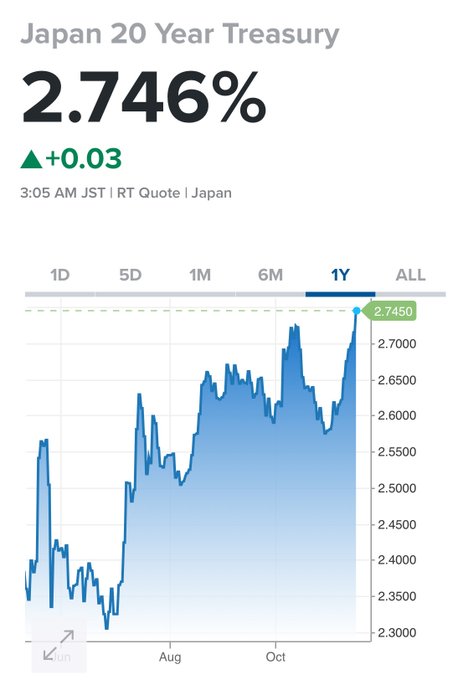
🇯🇵 Japan May Be the First Domino And The U.S. Should Pay Attention Japan is quietly stepping out of the role it played for thirty years: the world’s source of near free money. When Japanese rates were pinned at zero, their pension funds, insurers, and banks had no choice but to send money abroad. That steady flow kept global borrowing costs lower than they should’ve been, especially in the U.S. Now that Japan finally pays a real return at home, that flow slows. And the reason yields are rising isn’t because Japan is booming, it’s because inflation lingered, the currency weakened, deficits grew, and the market is finally pricing the risks of a country that can’t hide behind deflation anymore. Why This Matters for the U.S. For the U.S., this shift removes a quiet safety net. If Japanese money stays in Japan, America has to absorb more of its own debt issuance. That makes long term rates stickier, financial conditions tighter, and mistakes harder to hide. You already see the Fed adjusting: ending QT early, softening Basel rules so banks don’t retreat from Treasuries, and checking the repo plumbing to make sure nothing snaps when liquidity gets thin. So Japan doesn’t create a crisis but it reduces the room for error. In a world where Washington is issuing record debt, losing a reliable buyer like Japan matters. The Tariff Angle And the Smoot-Hawley Echo Now layer tariffs on top of this. Tariffs don’t automatically cause a depression, but they do raise costs, reduce trade, and strain already fragile supply chains. In the 1930s, Smoot-Hawley didn’t create the Great Depression but it made a bad downturn worse. Countries retaliated, trade collapsed, and the world’s economic contraction deepened. It accelerated the pain because everyone was tightening policy at the same time, fighting each other instead of stabilizing demand. Today’s setup rhymes uncomfortably with that moment. Growth is already soft in Europe and China. The U.S. consumer is slowing. Japan, once a deflation shock absorber is no longer exporting cheap capital. If tariffs escalate globally, they could choke off trade right as the financial system is losing its old supports. That combination is exactly how you turn a normal slowdown into something sharper. Could Japan Ever Go Back to Zero? It can, but only for the wrong reasons. Japan would be pushed back into its cheap money factory role if the world were falling into a global deflationary slump, collapsing demand, falling prices, trade retreating, unemployment rising everywhere. In that world, the BOJ would be forced back into heavy bond buying just to keep the system from seizing. Yields would crash, but not because anything was healthy, because everything was shrinking. And the U.S. would feel it immediately…plunging Treasury yields, a return of QE, a stronger dollar, and the kind of financial stress that comes when the world suddenly gets scared of its own shadow. The Real Message Japan’s bond market is signaling a regime shift. Tariffs are adding friction to a system already running tight. Put together, they tell you the global economy is losing its old shock absorbers and the U.S. can’t rely on the same easy backdrop it had for the last 20 years. This isn’t panic, but it’s a clear sign that the world is entering a more fragile, less forgiving phase.

retweeted at 20:29:13 削除 更新

USQUA-RE-CONSULTING 不動産相談@usquare_kayaba
高市首相と植田日銀総裁が午後に初会談、金融政策巡るやり取りに注目 bloomberg.co.jp/news/articles/… @businessより
posted at 20:22:25 削除 更新
リツイートしました

The Kobeissi Letter@KobeissiLetter
Current situation: 1. The US is preparing $2,000 stimulus checks 2. Japan is preparing a $110 billion stimulus package 3. China has approved a $1.4 trillion stimulus package 4. The Fed is officially ending QT on December 1st 5. The US is issuing~$1.9 trillion in treasures per year 6. Canada is restarting its Quantitative Easing program 7. Global M2 money supply is at a record $137 trillion 8. Global rate cuts are at 320+ over the last 24 months In what world is another wave of inflation not on its way?
retweeted at 20:15:41 削除 更新
USQUA-RE-CONSULTING 不動産相談@usquare_kayaba
パイを大きくすること自体はまあそうだろうと思うけれど、庶民感覚からすると資産課税は優遇しすぎの面があると思う。 外国人の土地保有にしても同様の目線で考えてそれなりの負担を検討すべき。 固定資産税数倍にしてもいいと思ってる。
posted at 20:00:19 削除 更新
USQUA-RE-CONSULTING 不動産相談@usquare_kayaba
金利上昇、円安、庶民の財布は悲鳴上げてるけどインフレにしたいのなら、税制改正大前提でしょう。事業用の住宅の固低資産税軽減は即廃止すべき。 補正予算「25兆円程度が望ましい」 自民積極財政議連が会見…財源は「躊躇なく国債発行を」 #FNNプライムオンライン fnn.jp/articles/-/961…
posted at 20:00:19 削除 更新
USQUA-RE-CONSULTING 不動産相談@usquare_kayaba
☆ラ・ヴィ熱海 ◇サウナ付き温泉大浴場 ◇屋外プール ◇東海道線「熱海」駅 徒歩14分 ◇眺望良好・現空室 usqua-re.com/atami #熱海 #温泉大浴場 #サウナ #プール #オーシャンビュー pic.x.com/b18pGa6nbC
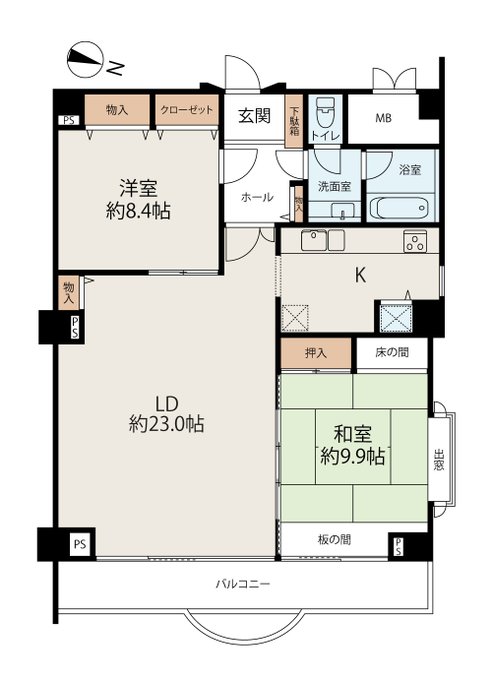
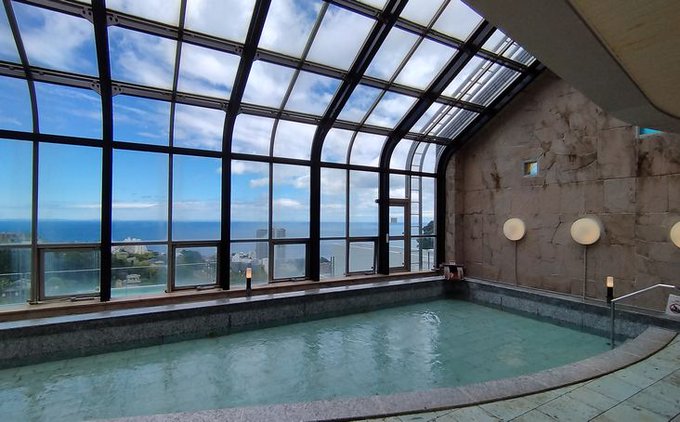

posted at 19:51:46 削除 更新
USQUA-RE-CONSULTING 不動産相談@usquare_kayaba
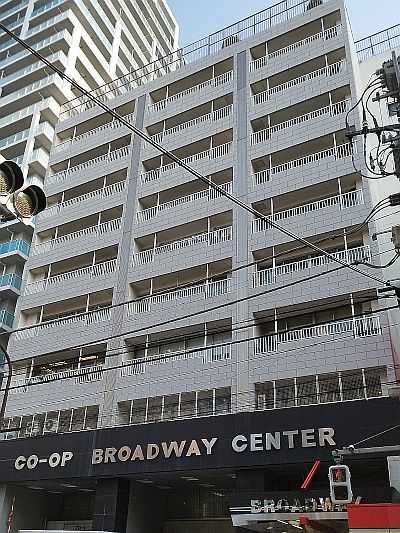
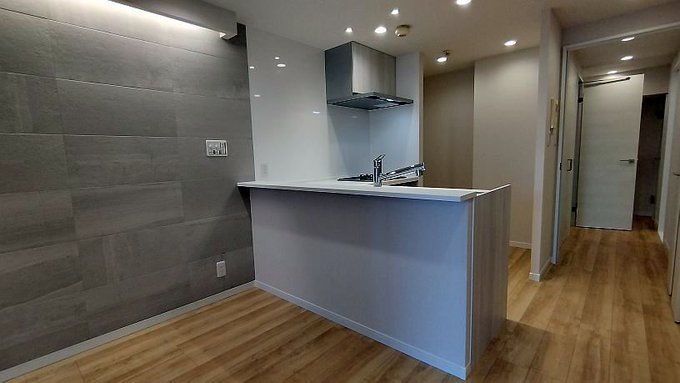
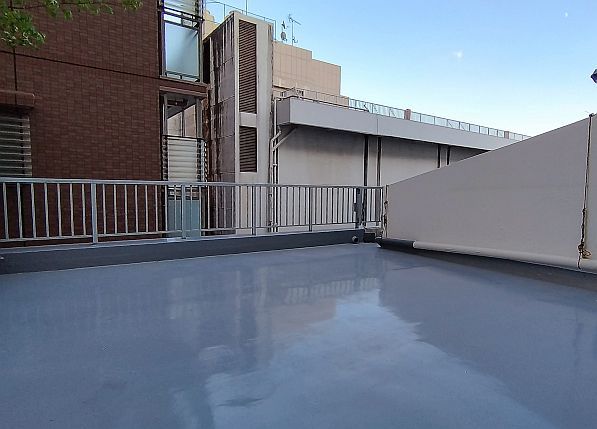
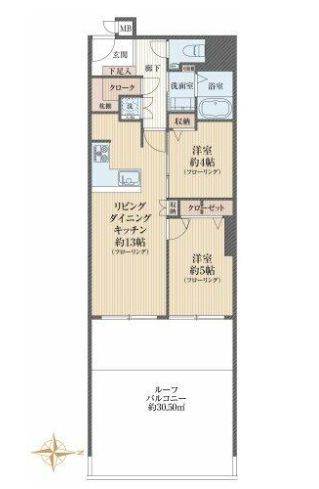
☆中野ブロードウエイ ◇2LDK+大型クローク ◇中野駅 徒歩5分 ◇30㎡超のルーフバルコニー ◇5280万円(税込) ◇新規サッシ交換・バルコニー防水 ◇専有面積 55.00㎡ ◇サンモール商店街直結 ◇ペット可 reblo.net/virtude/buysel… pic.x.com/puYgCwNggx
posted at 19:50:34 削除 更新
USQUA-RE-CONSULTING 不動産相談@usquare_kayaba
株価より為替。 物価高何とかしてほしい。 円安で潤う企業ばかりじゃない。 日経平均は3日続落、今年2番目の下げ:識者はこうみる jp.reuters.com/markets/japan/…
posted at 19:48:29 削除 更新
リツイートしました

ここではっきりさせておこう。疑念を抱く者などいないと思うが、米国は尖閣諸島を含め、日本の防衛に全面的にコミットしている。中国海警局の船団がどうしようとも、その事実を変えることはできない。トランプ大統領は今年初め、「尖閣諸島に対する日本の長きにわたる平和的施政を侵害しようとするいかなる行動にも断固として反対する」という米国の立場を重ねて表明している。
retweeted at 13:16:28 削除 更新
リツイートしました

朝倉智也(Tomoya Asakura)@tomoyaasakura
日本の国債市場は長期低金利時代の終焉に向かい、日銀は、今後どこまで金利正常化を容認できるかの決断を迫られる。かつてデフレ、低金利、強い円が象徴だった日本は、今やインフレ圧力、債券安と金利上昇、35年ぶりの歴史的円安に直面している。市場はその新しい現実に価格を調整しているにすぎない。 pic.x.com/fYDSLokqFH
retweeted at 12:28:29 削除 更新